Shape Tracing Worksheets — Free Printable 2D and 3D Shapes for Preschool & Kindergarten
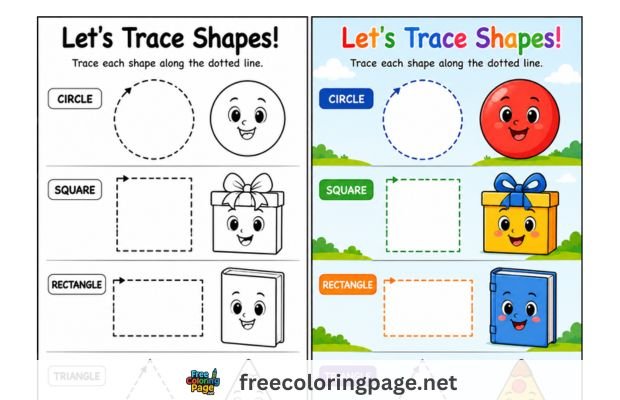
Memorising different shapes to toddlers and preschoolers is quite a task thats why we created free tracing worksheets for every shape from very basic circles and squares to hexagons, 3D cubes and cones. These sheets are designed to cater the growing learning capabilities of kids. Every worksheet shows the shape as a single dotted outline path with a directional start arrow, the shape name in large dotted letters below, a matching real-world object illustration easy for kids to relate, and a practice drawing area. Designed for toddlers, preschoolers and kindergarteners aged 2–7.
Every page is completely free to download and print. No account, no email, no cost. All pages are formatted for A4 and US Letter paper.
Before Shapes — Start With Lines
Before a child can trace a circle or a square, they need to be able to draw a straight line. This step is skipped more often than any other in early writing practice — and it causes more frustration than almost anything else. Do practicing of horizontal and vertical line tracing first
A child who cannot draw a straight line downward cannot draw the side of a square. A child who cannot draw a diagonal line cannot draw a triangle. If your child struggles with the shape worksheets, start here: can they draw a straight line down the page? A straight line across? A diagonal line from top-left to bottom-right?
If not, begin with line tracing worksheets first. One or two weeks of line practice makes shape tracing significantly easier and prevents the frustration of attempting shapes before the hand is ready.
Shape Tracing Worksheets
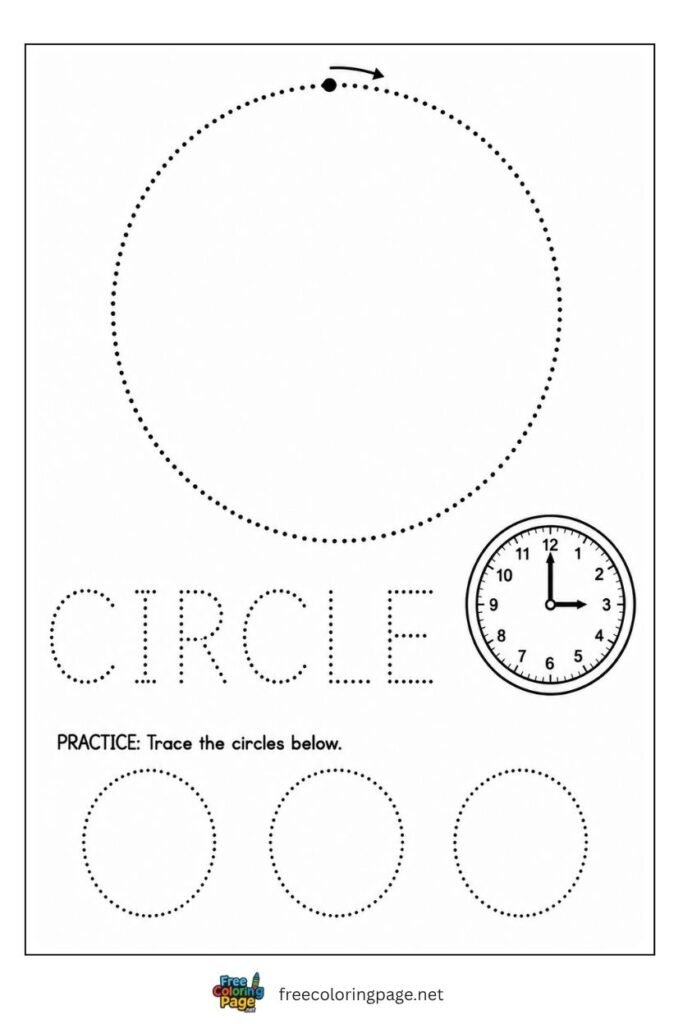
Circle tracing worksheet
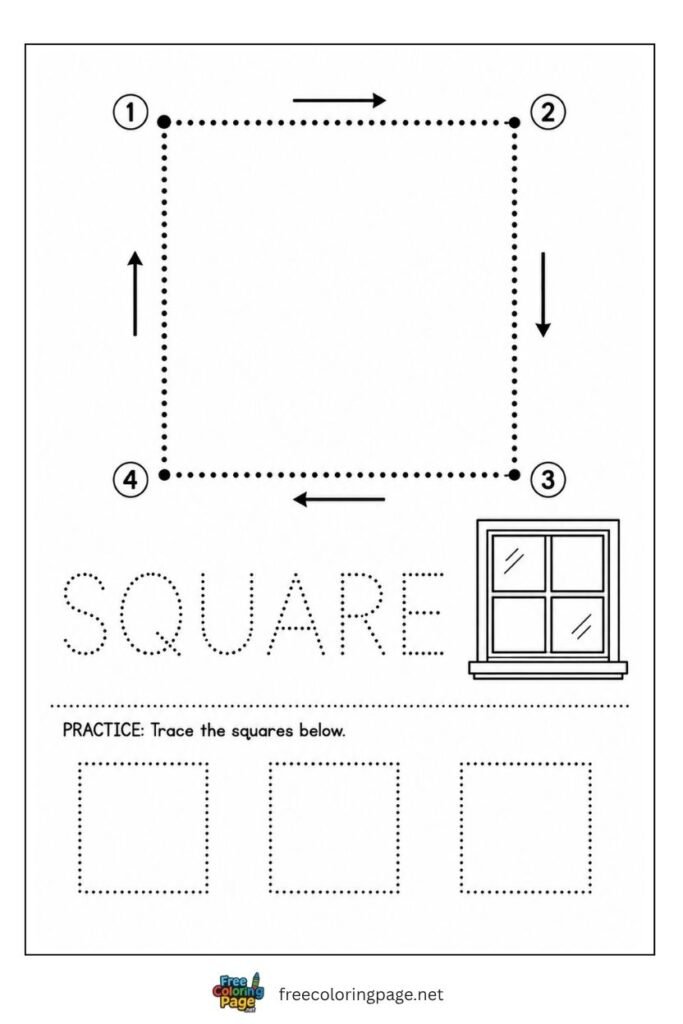
Square tracing worksheet
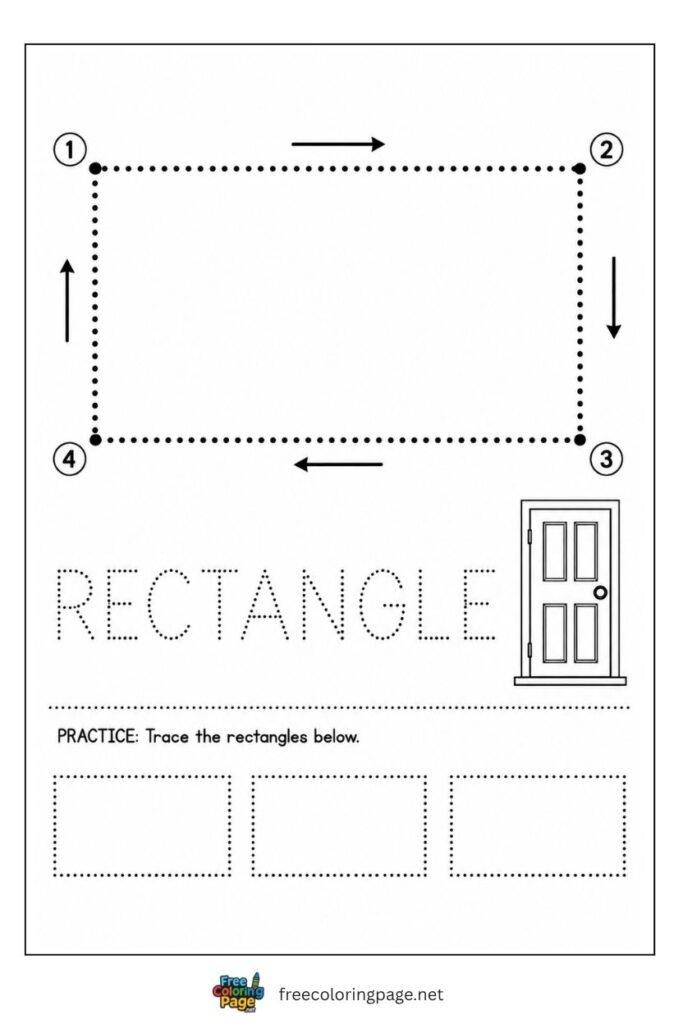
Rectangle tracing worksheet
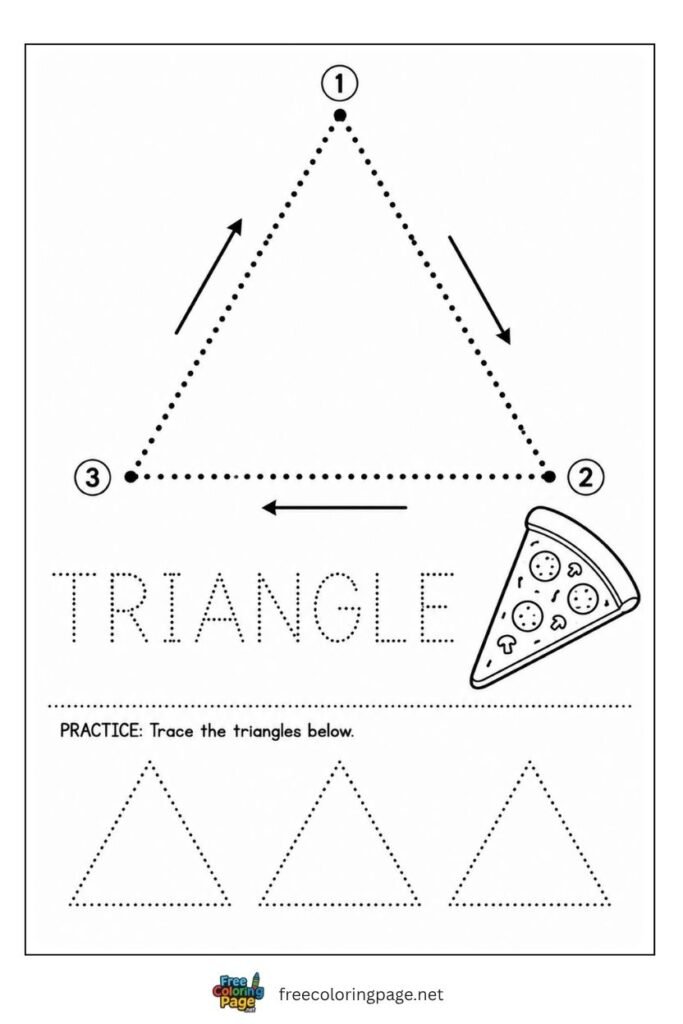
Triangle tracing worksheet
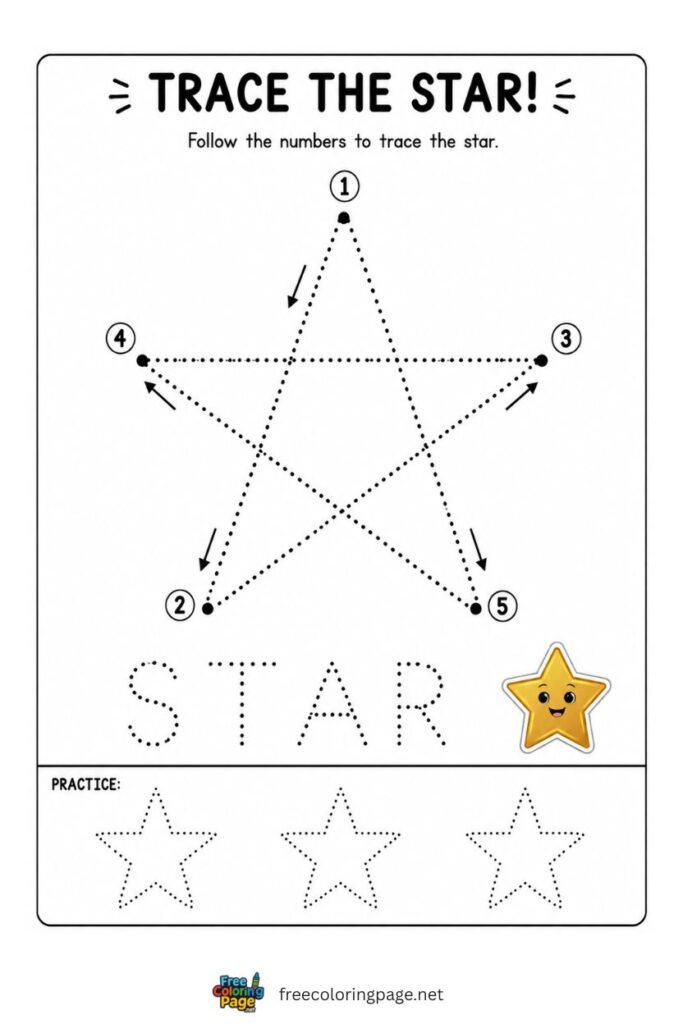
Star tracing worksheet
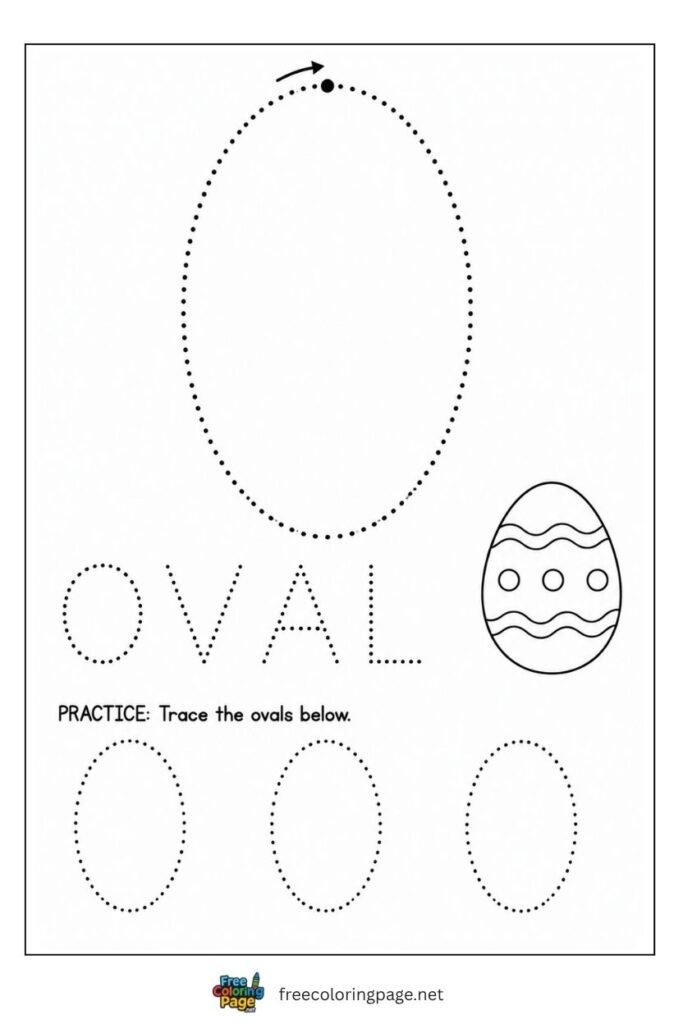
Oval tracing worksheet
Discover other popular categories
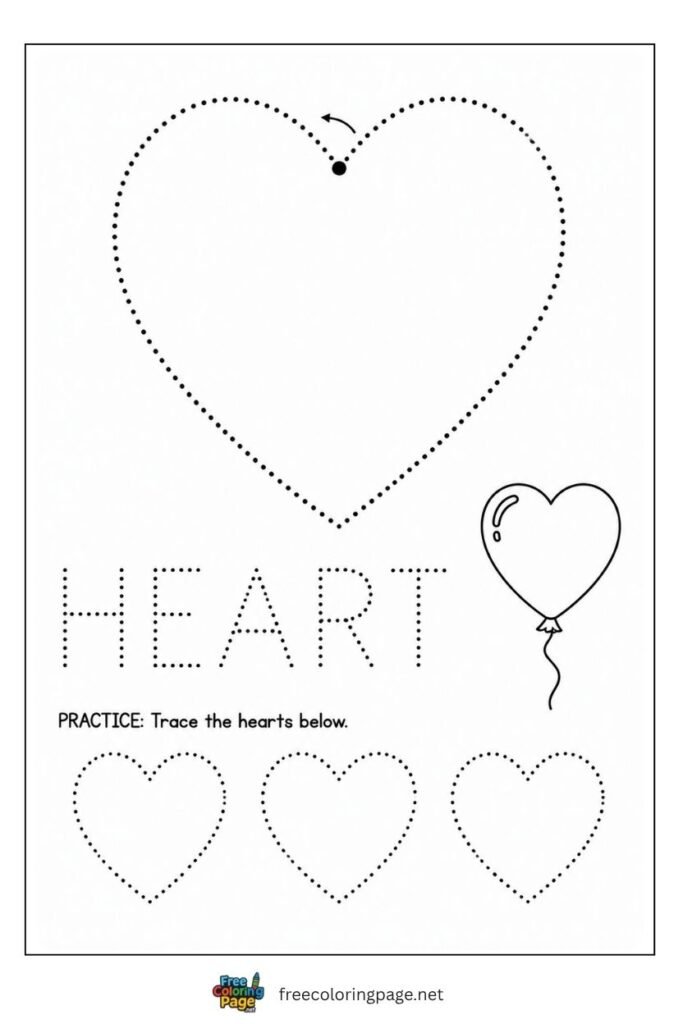
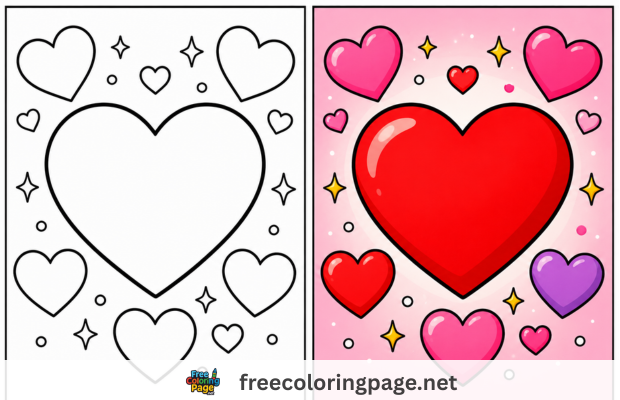
Heart tracing worksheet
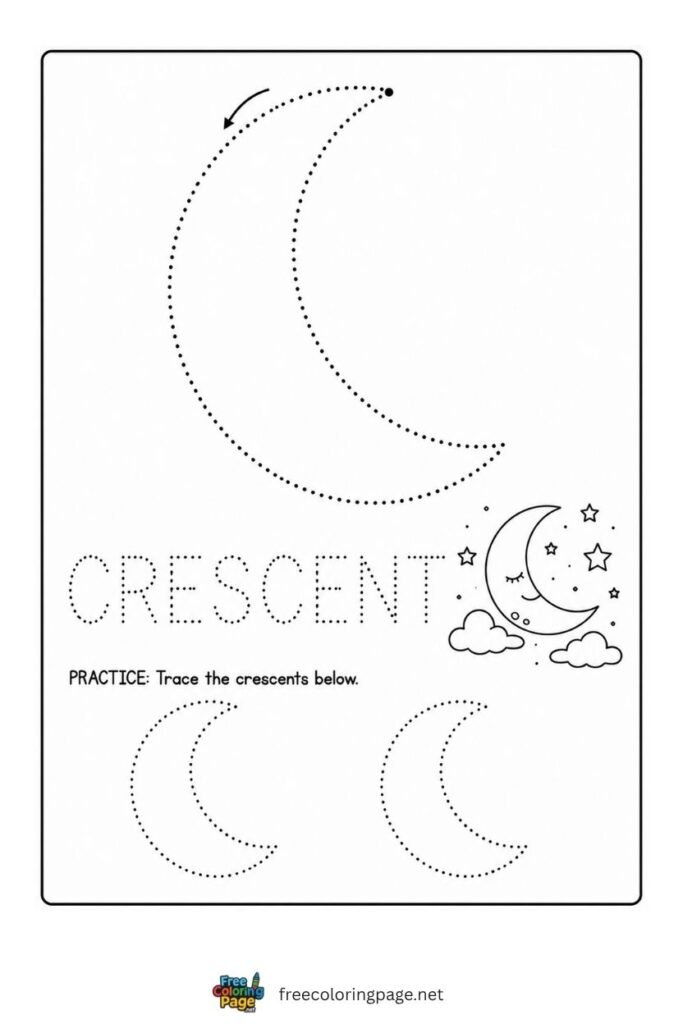
Crescent tracing worksheet
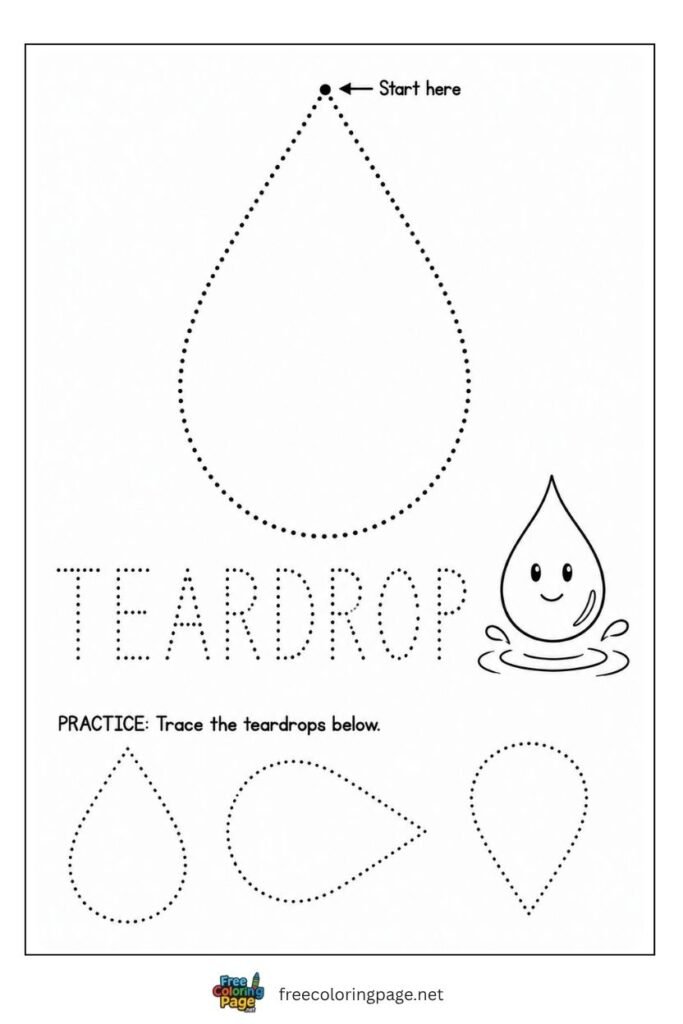
Teardrop shape tracing worksheet
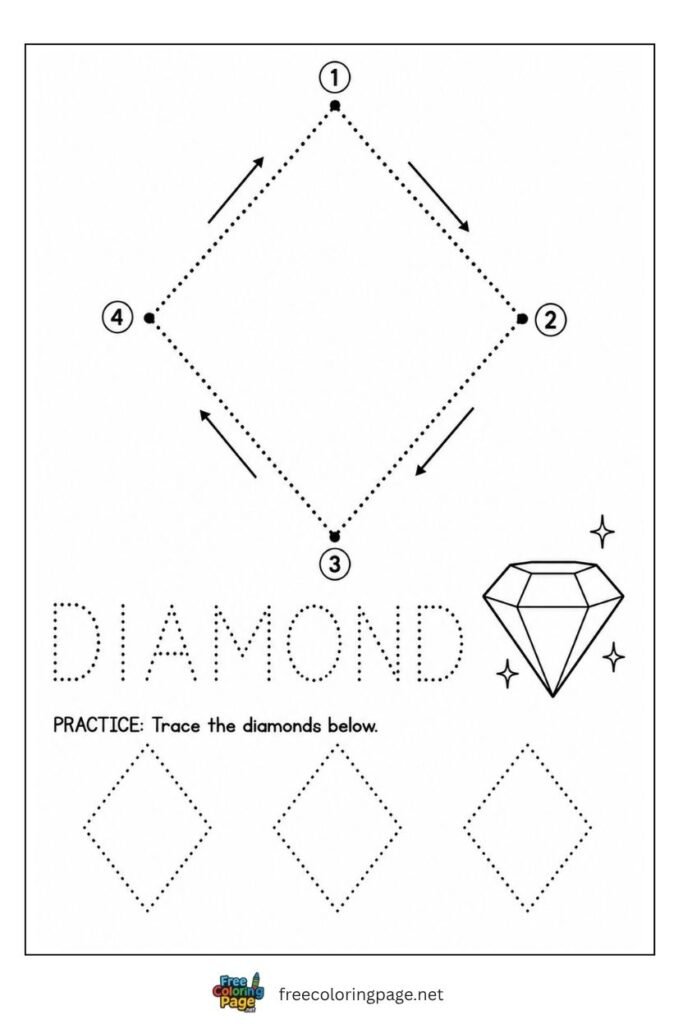
Diamond tracing worksheet
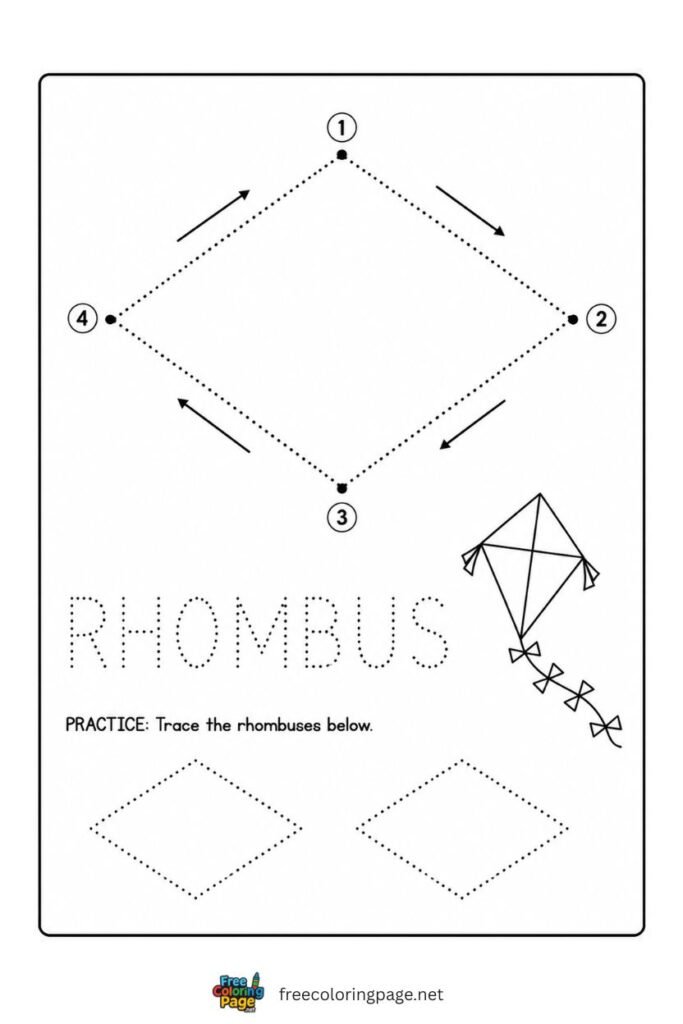
Rhombus tracing worksheet
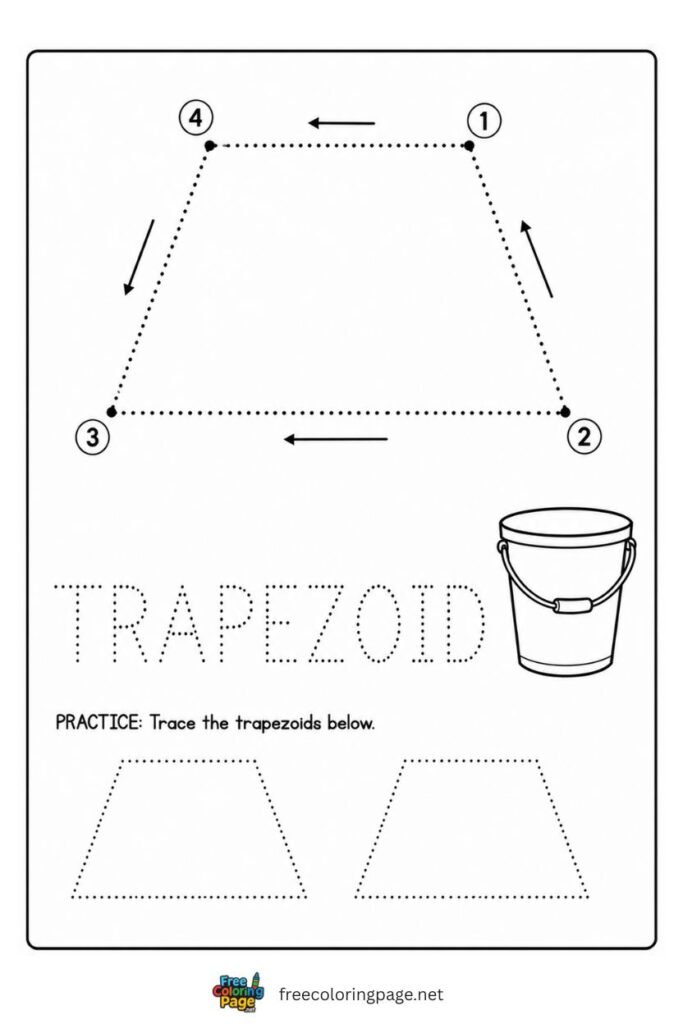
Trapezoid tracing worksheet
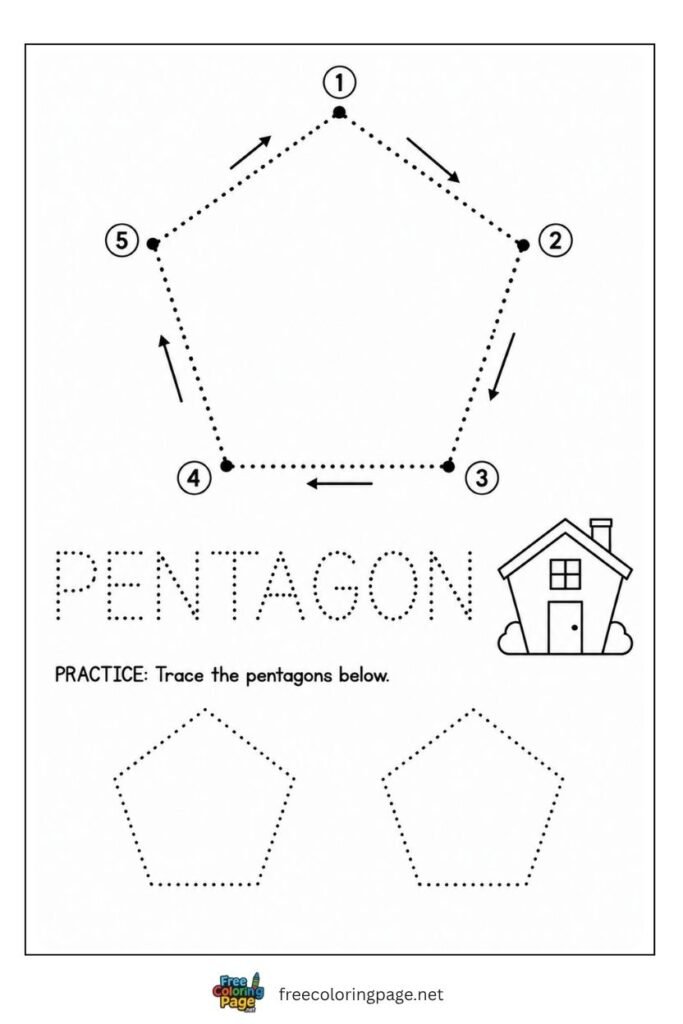
Pentagon tracing worksheet
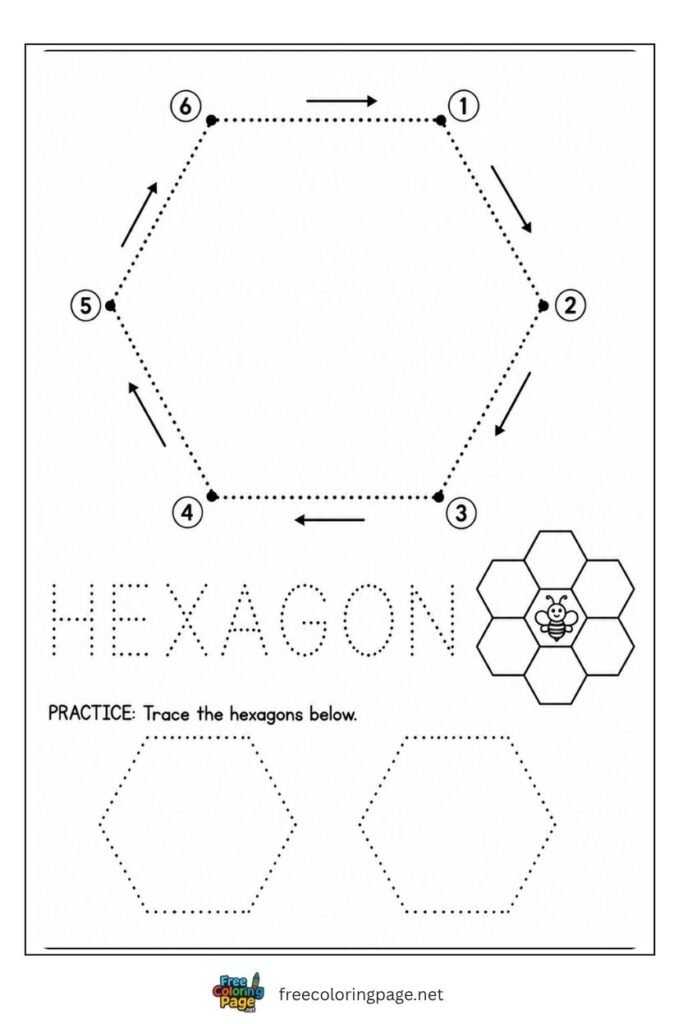
Hexagon tracing worksheet
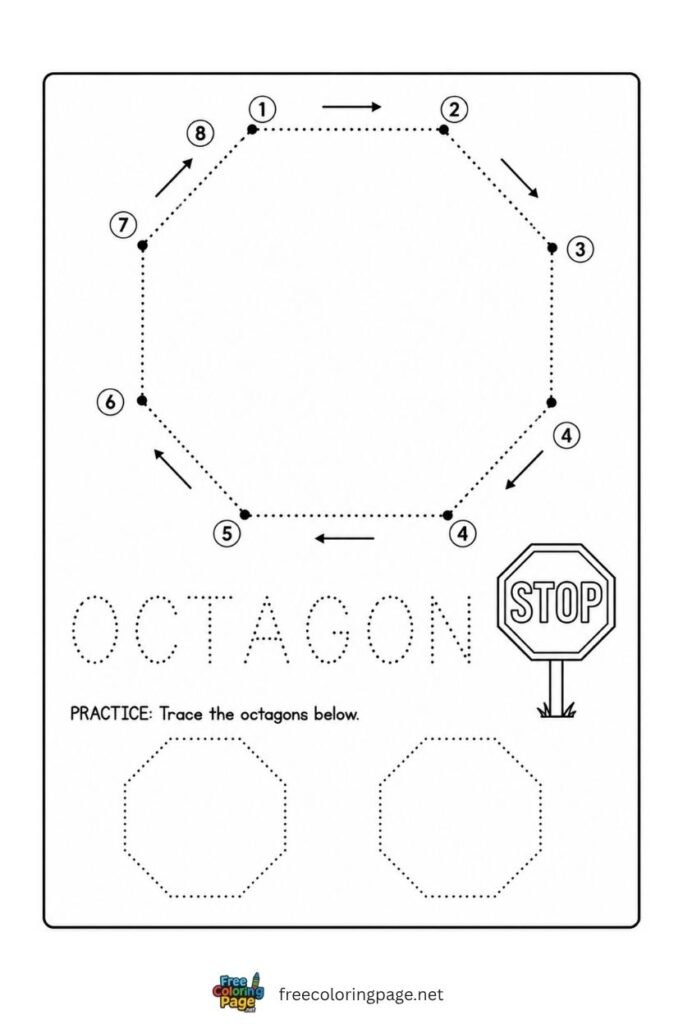
Octagon tracing worksheet
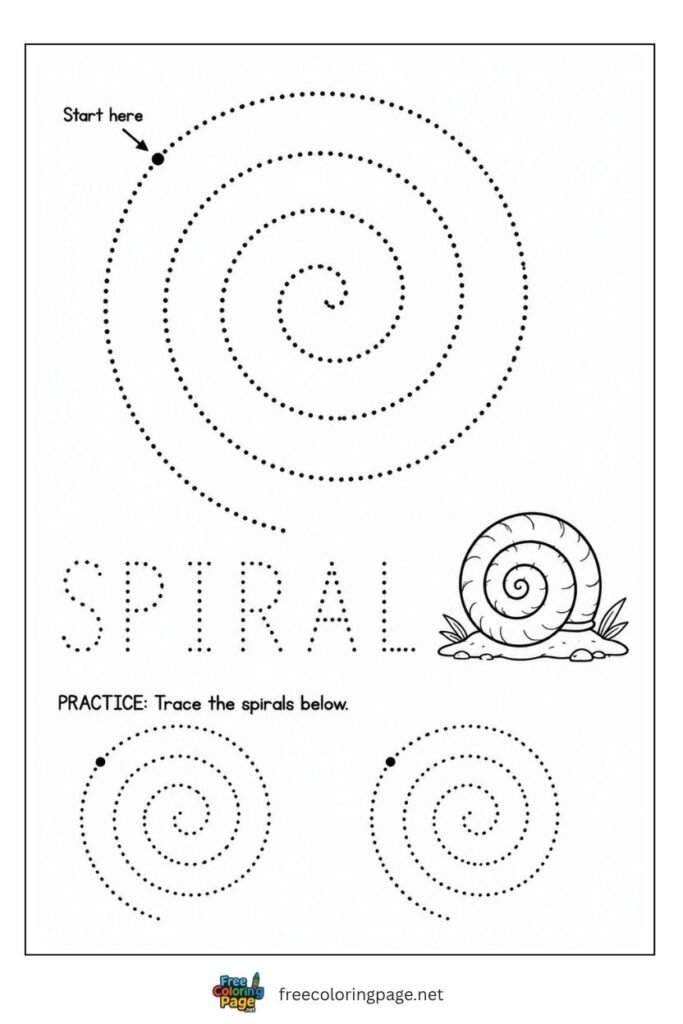
Spiral tracing worksheet
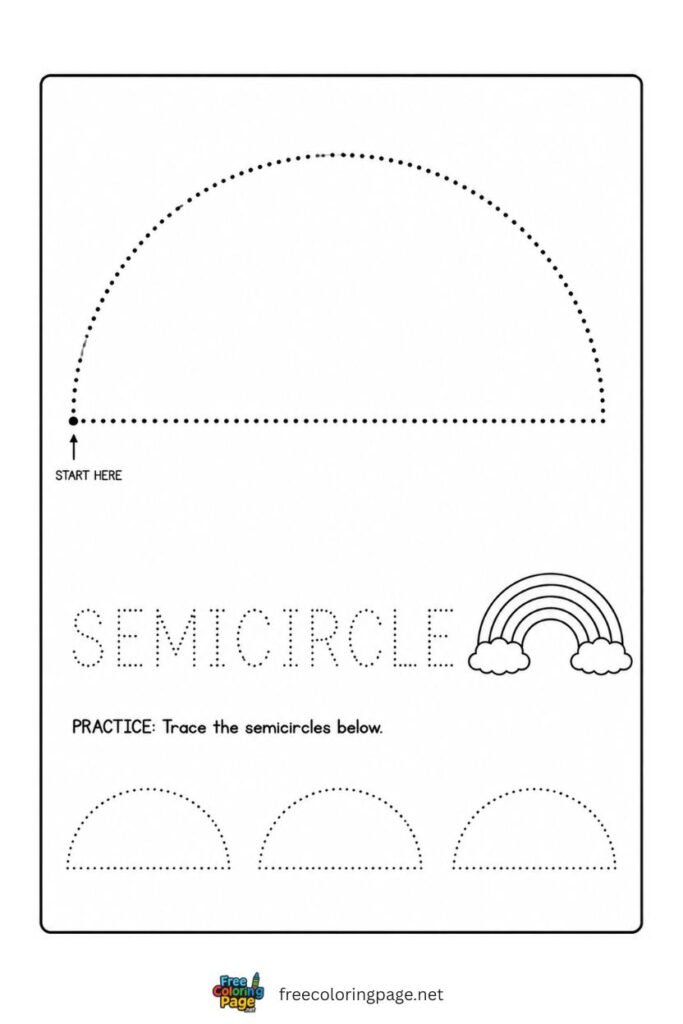
Semicircle half circle tracing worksheet
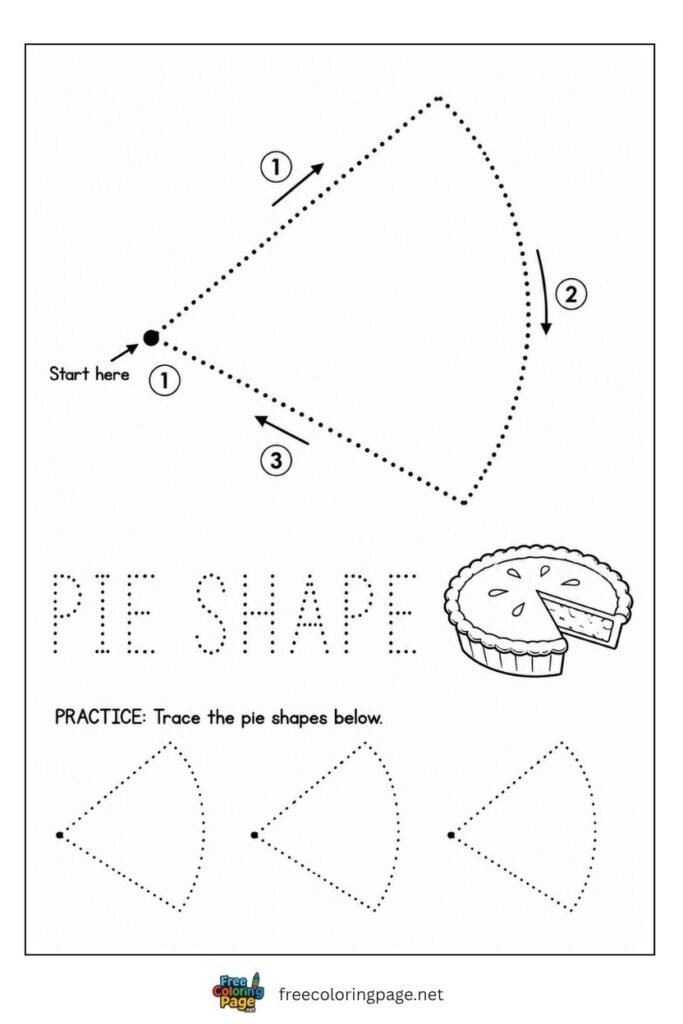
Pie sector shape tracing worksheet
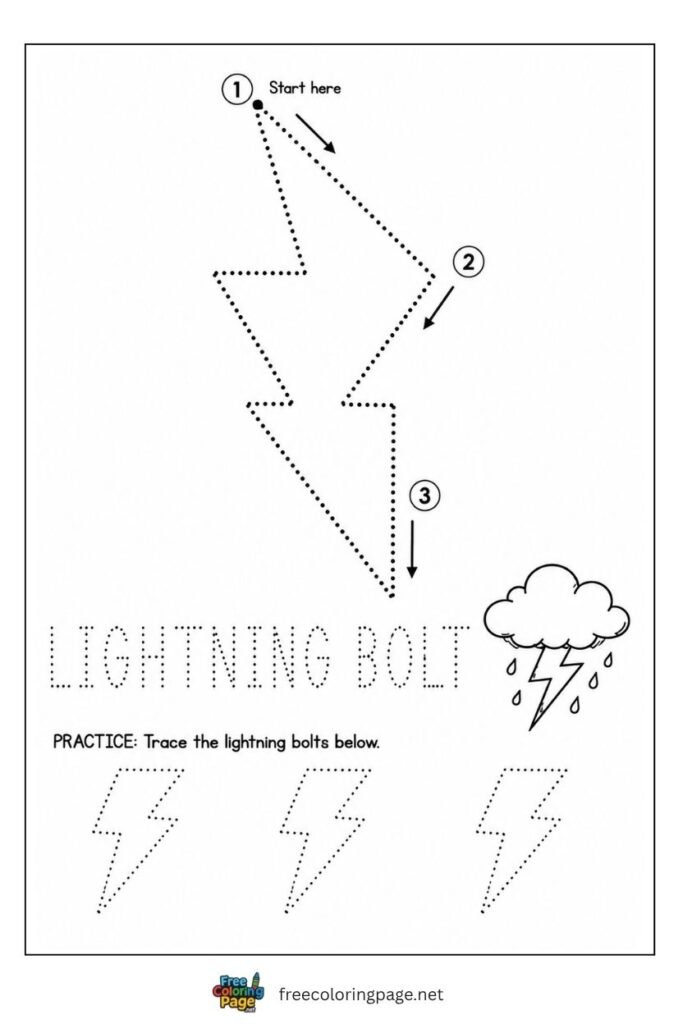
Lightning bolt shape tracing worksheet
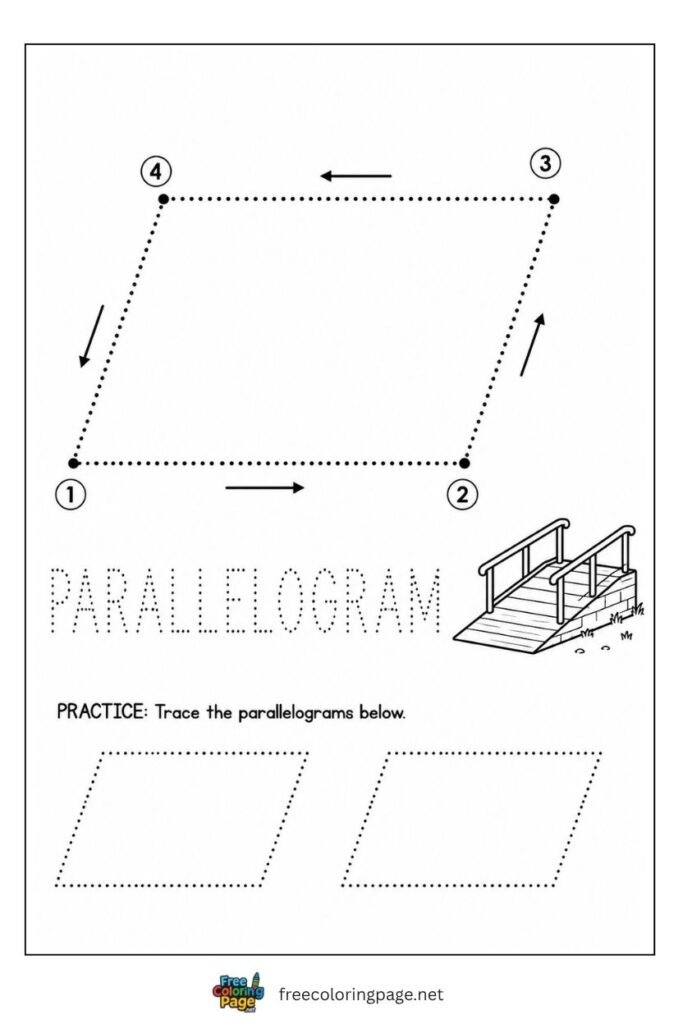
Parallelogram tracing worksheet
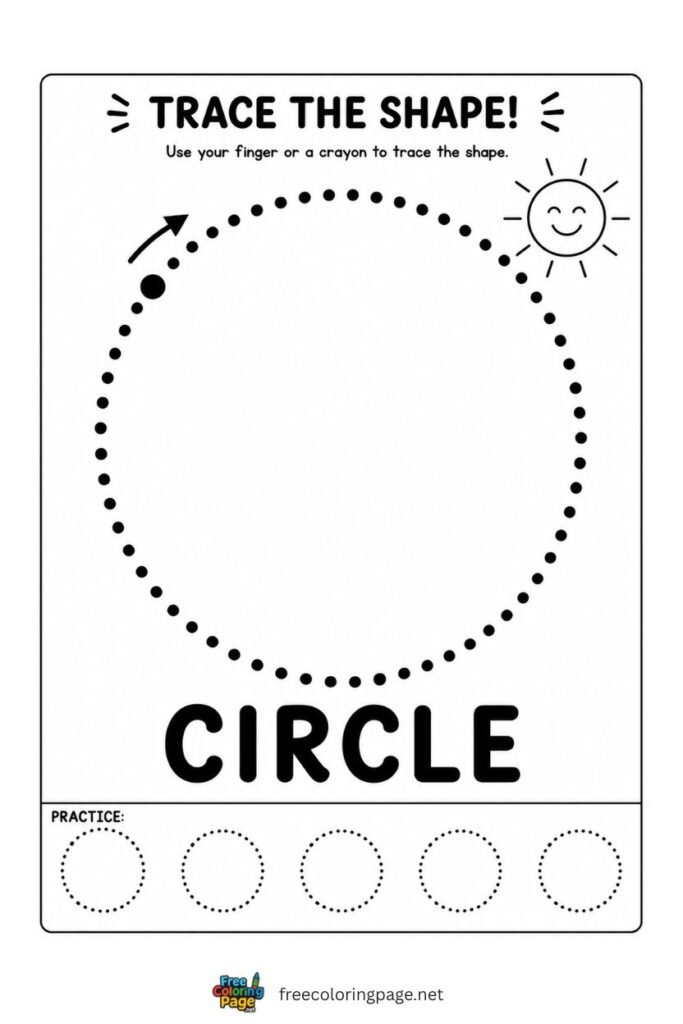
Extra large shape tracing worksheet with thick dotted outline for toddlers
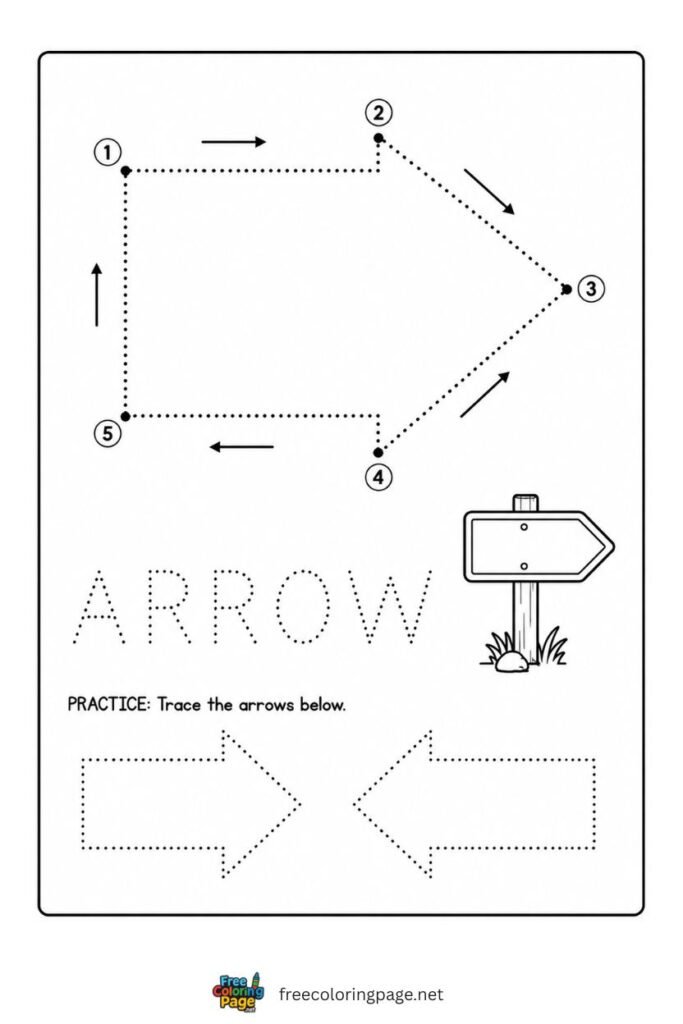
Arrow shape tracing worksheet
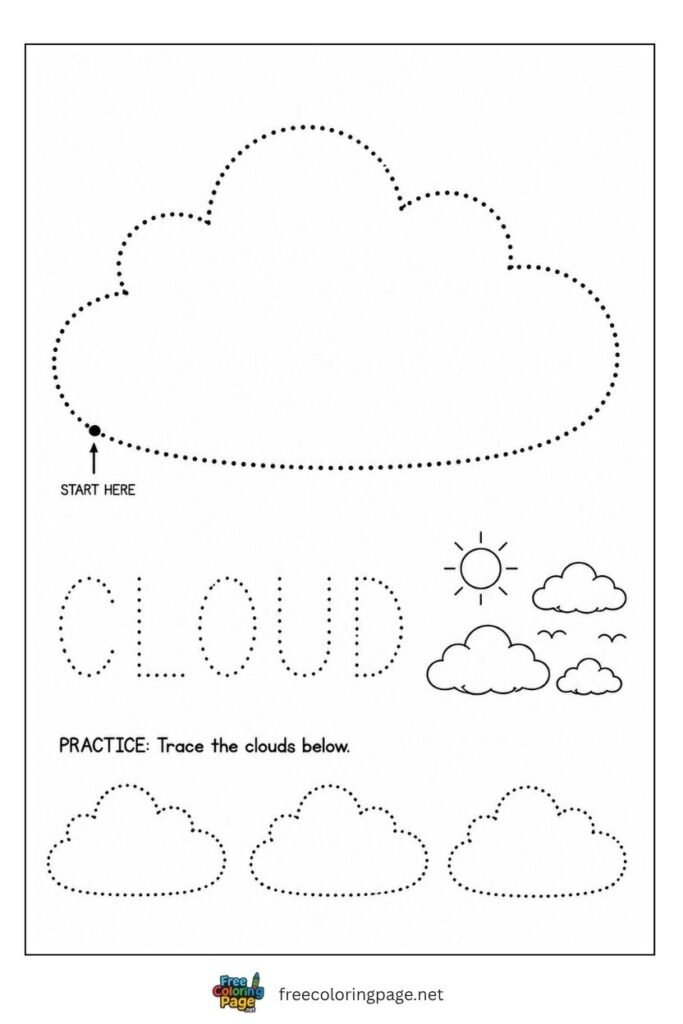
Cloud shape tracing worksheet
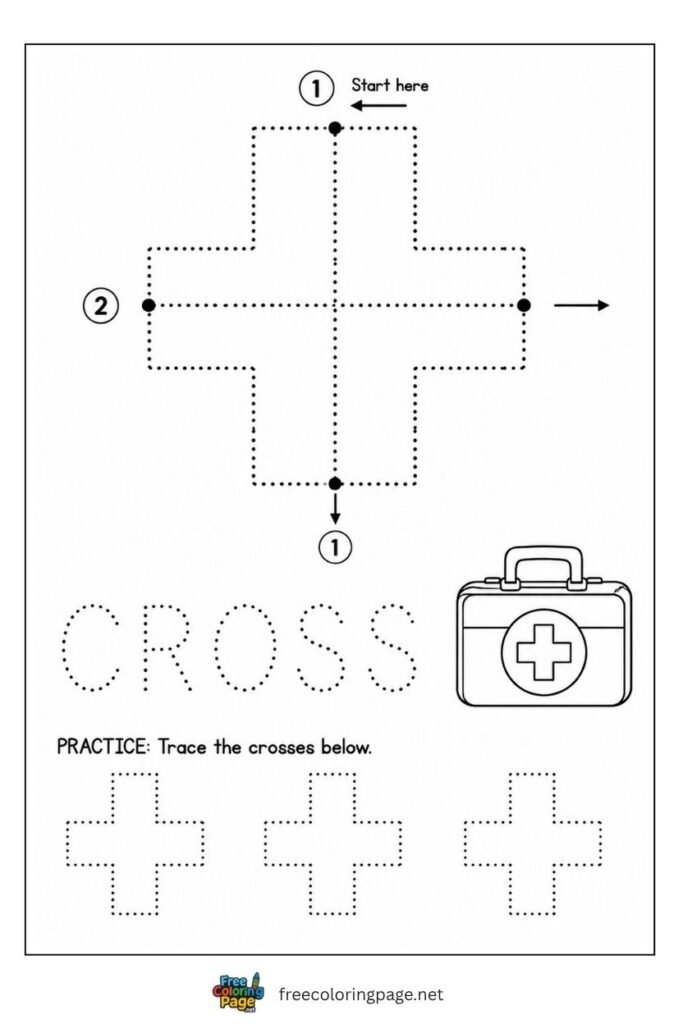
Cross plus shape tracing worksheet
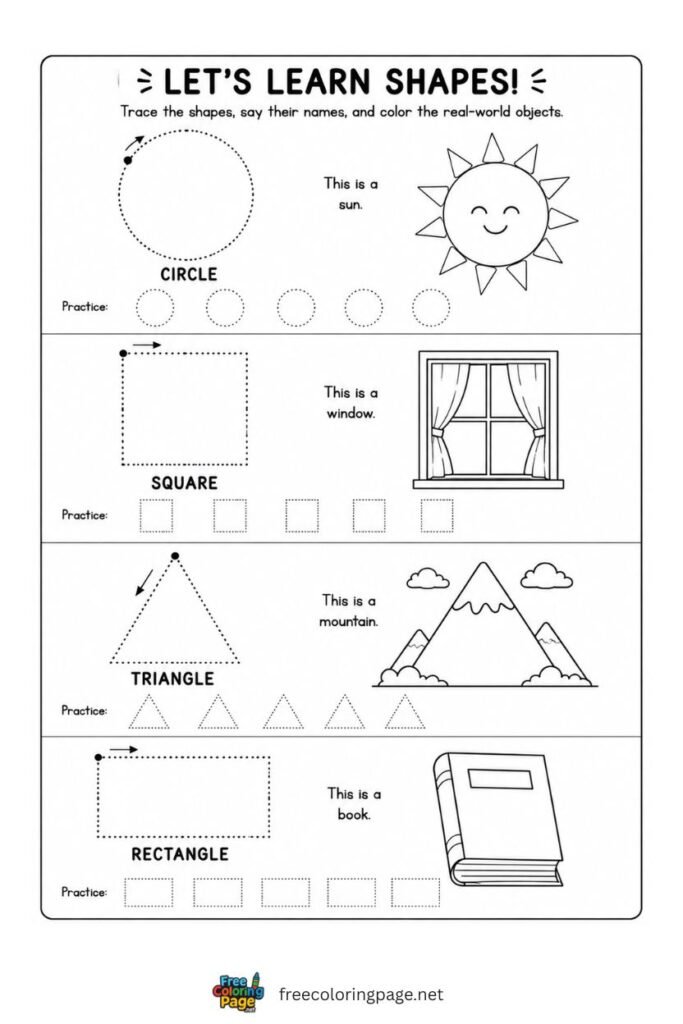
Shape tracing worksheet pairing each shape with a matching real world object
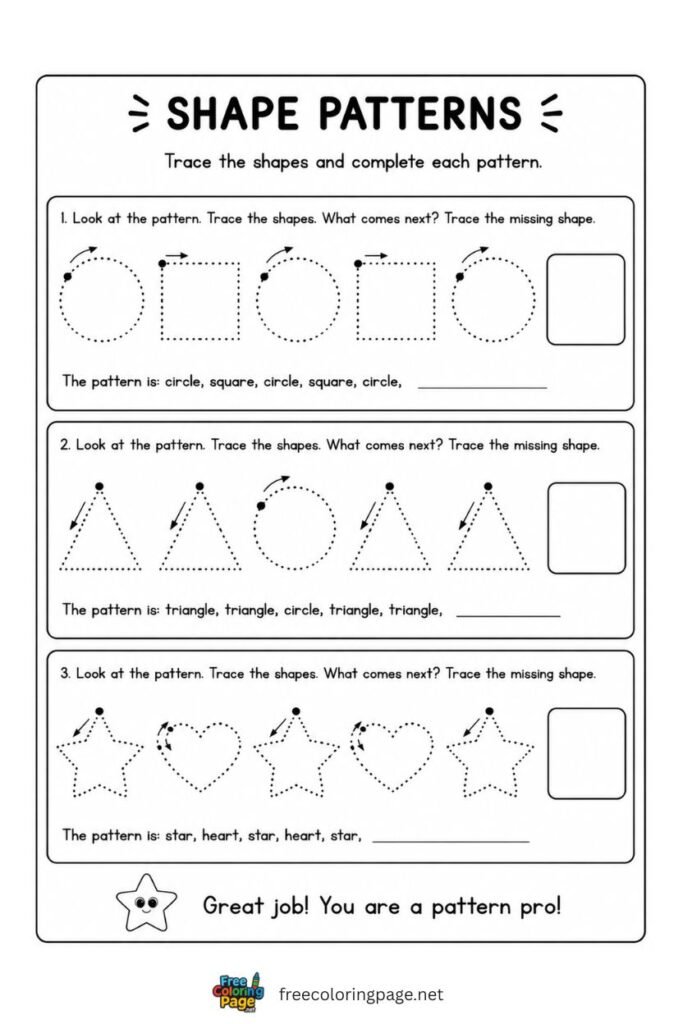
Shape pattern tracing worksheet
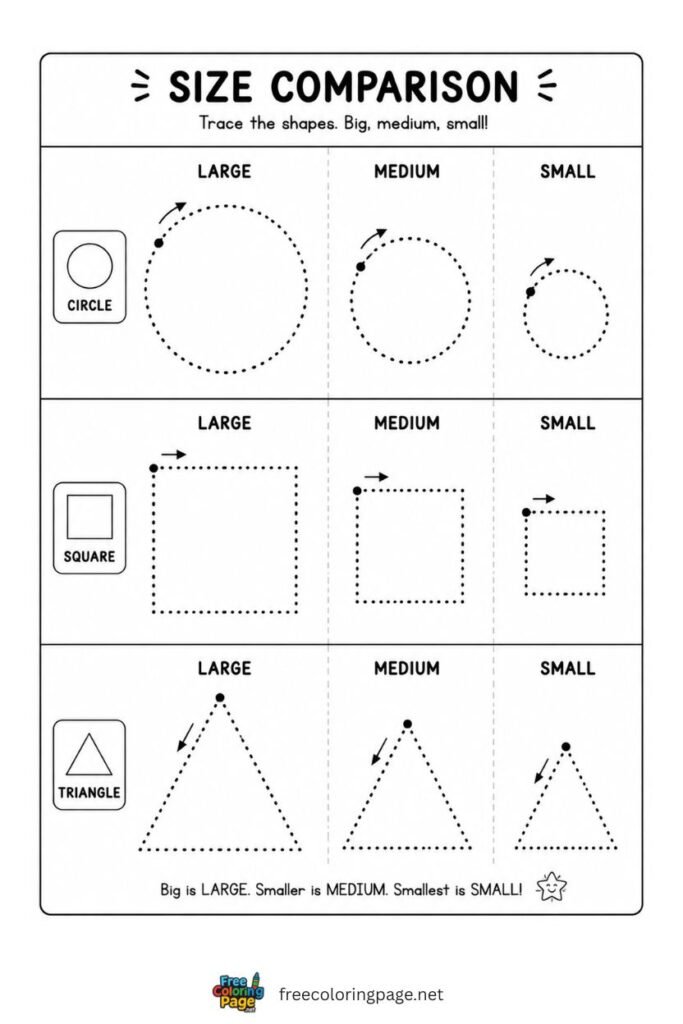
Shape size comparison tracing worksheet
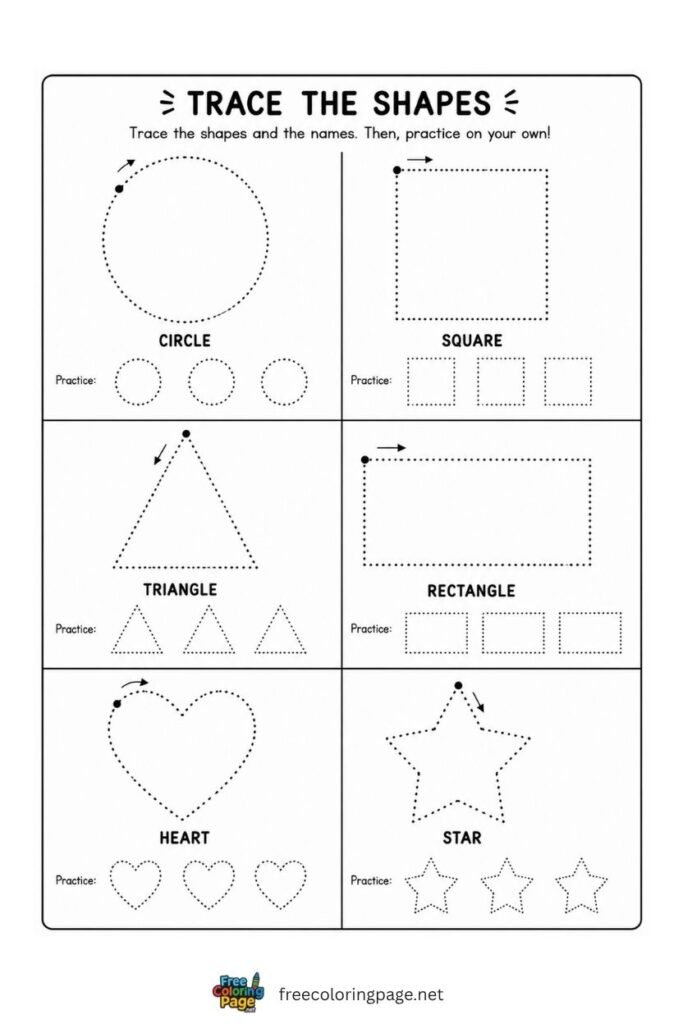
Basic shapes tracing worksheet
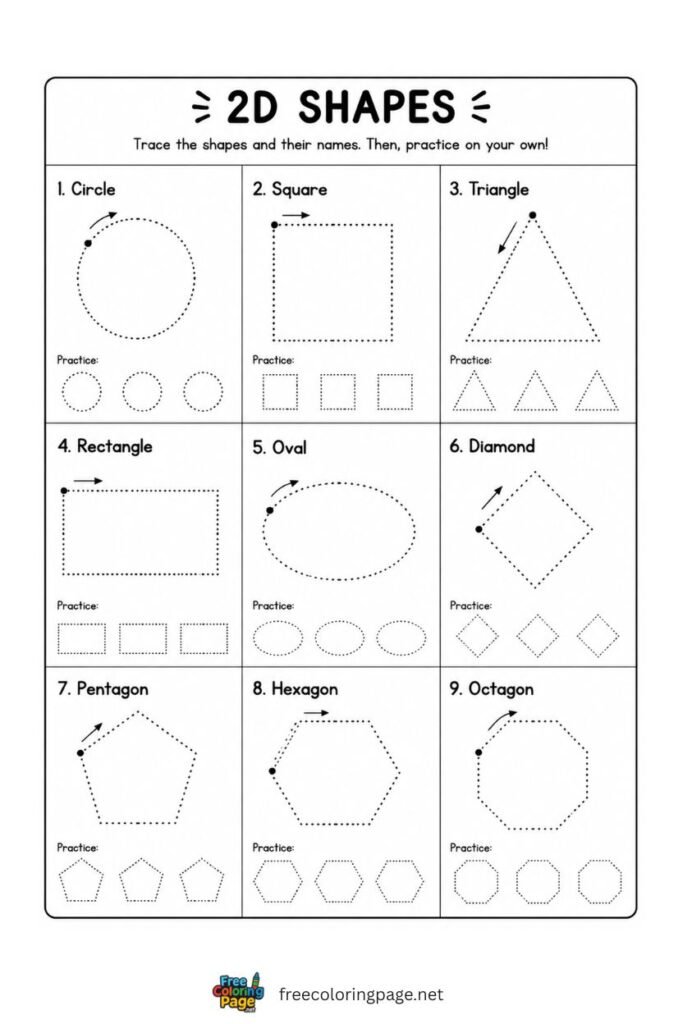
2D shapes tracing worksheet with 9 shapes
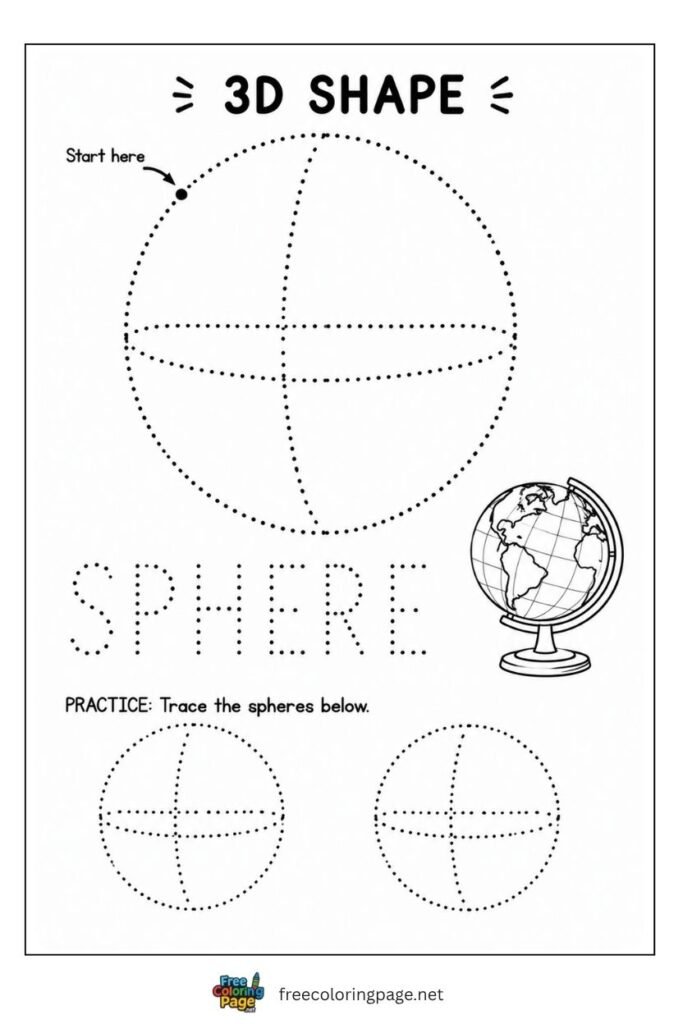
Sphere 3D shape tracing worksheet
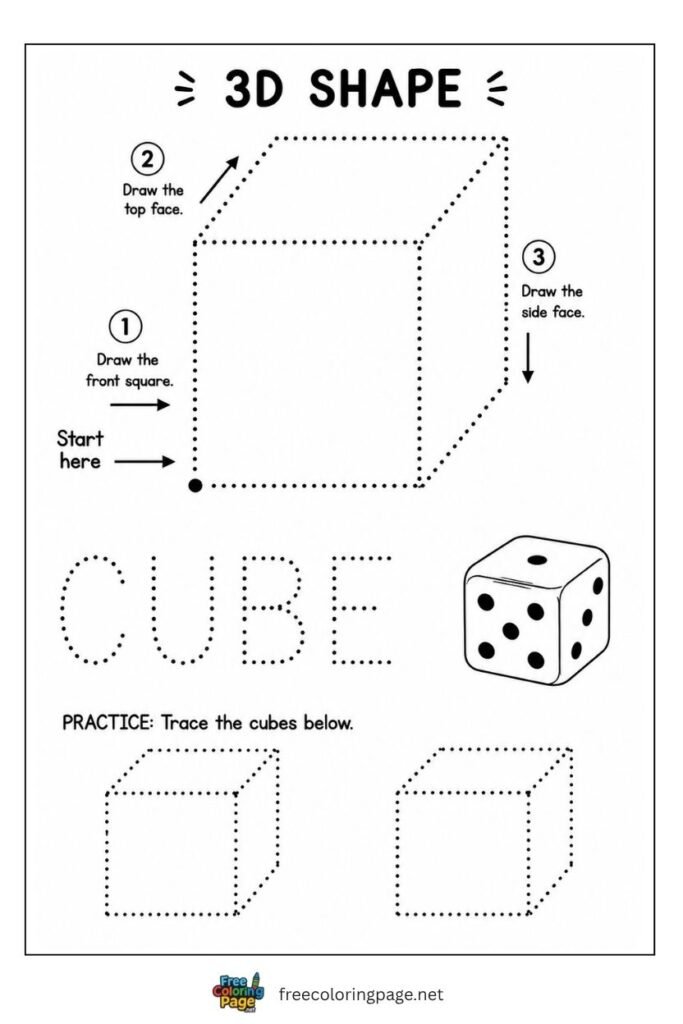
Cube 3D shape tracing worksheet
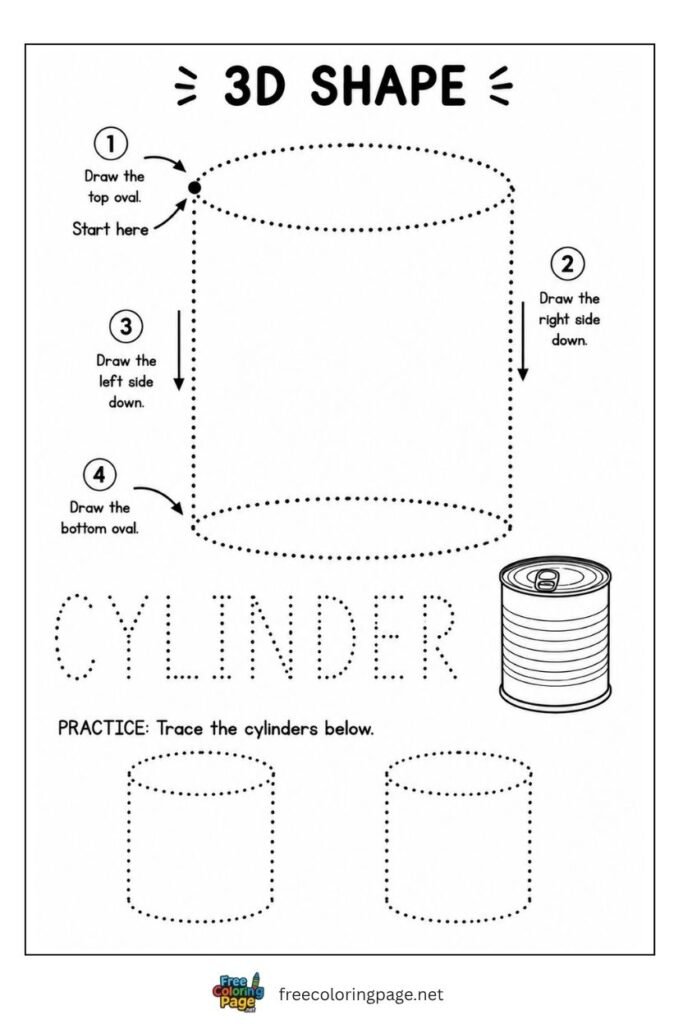
Cylinder 3D shape tracing worksheet
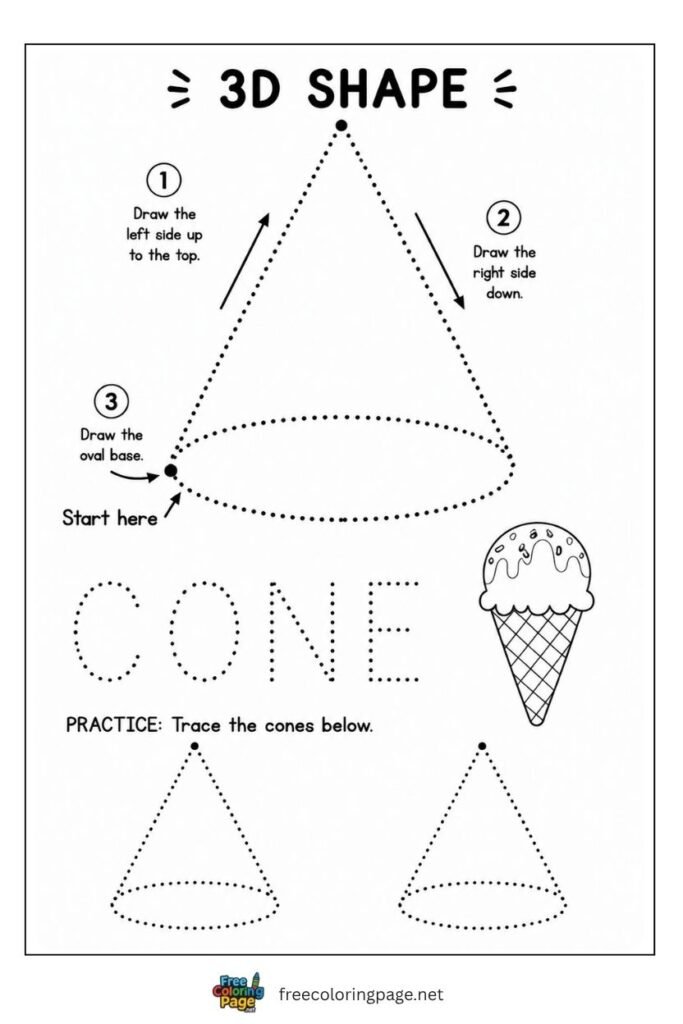
Cone 3D shape tracing worksheet
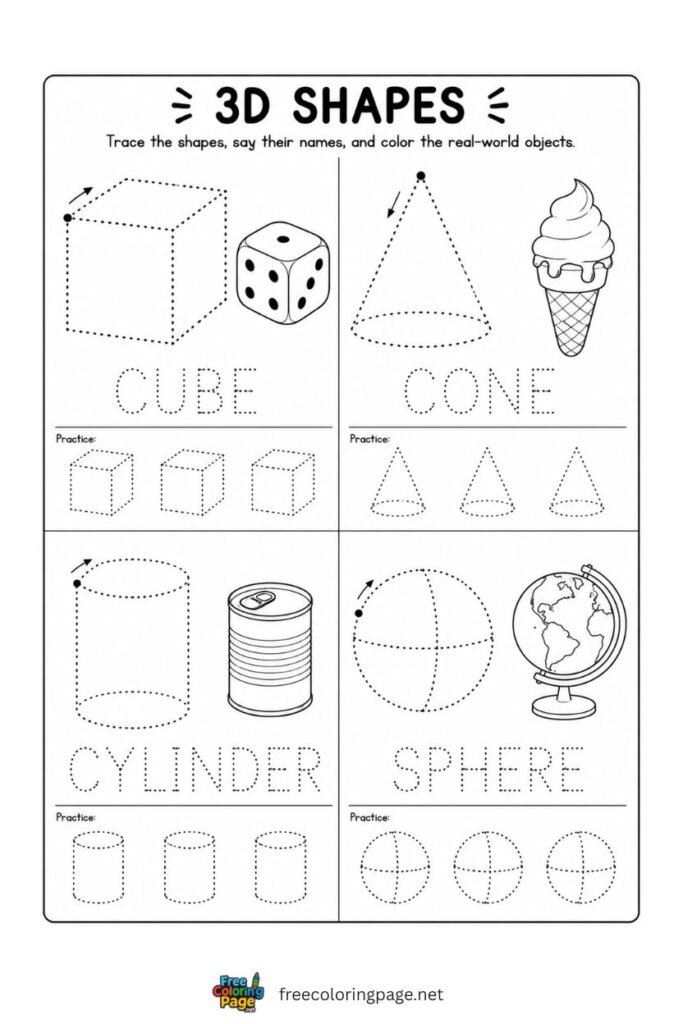
3D shapes tracing worksheet
Why Shape Tracing Comes Before Letter Tracing
Commonly parents start kids with letter tracing because letters feel more academic and feels a good preschool activity. Shape tracing first is actually the better approach — and the reason is straightforward.
Every letter in the alphabet is built from shape elements. The letter O is a circle. The letter L is two straight lines meeting at a right angle. The letter V is a triangle without its top line. A child who can trace a circle, a straight line, and a diagonal line already has the motor vocabulary to write most of the alphabet.
Shape tracing also has a lower barrier. A child who cannot yet write their name can often trace a circle successfully on their first attempt. That early success builds the confidence and hand control that letter writing requires later.
Which Shape to Start With
Lines first — vertical line down, horizontal line across, diagonal line. These are the building blocks of every shape. See the line tracing note above.
Then circle. The smooth continuous loop of a circle is the most useful single stroke in handwriting. Letters like o, c, a, d, g, q all begin with a circle or partial circle. A child who draws a smooth circle has the foundation for a significant portion of the lowercase alphabet. A circle has no sides and no corners — the first important shape vocabulary your child needs to learn.
Then square. Four straight lines meeting at four corners. This teaches the corner — the change in direction a child needs for letters like l, t, f, h, n, m. A square has 4 sides and 4 corners, all equal. Count them together every time you trace.
Then triangle. Introduces diagonal lines — the most challenging stroke direction for small hands. Letters like v, w, k, x, y, z use diagonals. A triangle has 3 sides and 3 corners.
Then heart and star — because children are far more motivated by shapes that mean something to them. Both combine the curves and angles that they have already practiced separately.
Advanced shapes for kindergarten: hexagon (6 sides, 6 corners), pentagon (5 sides, 5 corners), octagon (8 sides, 8 corners). These build counting alongside shape recognition — tracing while counting the sides is one of the most natural ways to introduce early geometry.
How to Use These Worksheets
Start with lines and sand before paper. For toddlers aged 2–4, trace the shape in a tray of sand or shaving foam before using pencil and paper. Large-arm movements in textured materials build the shape memory that fine pencil tracing later refines — and most toddlers find it far more engaging than sitting still with a worksheet. The shape sense learned through hands and arms transfers to pencil work surprisingly quickly.
Point to the start arrow first. The arrow shows exactly where to place the pencil and which direction to travel. A child who starts a circle at the bottom instead of the top develops a different and less useful muscle memory. Starting correctly from the first session is worth the extra 10 seconds.
Name the shape, count its sides and corners. Before tracing, say the shape name and count together: “A square has 4 sides and 4 corners — let’s count them.” Then find the matching real-world object in the illustration. Then look for the same shape somewhere in the room. Children who connect shapes to real objects and to the vocabulary of sides and corners recognise and draw them far faster.
For Preschool and Kindergarten Teachers
Shape of the week with full immersion. Pair the shape worksheet with a full week of shape experiences — find the shape in the classroom, in books, at lunch, on the walk to school. The tracing worksheet is the writing anchor of this broader experience. Children who encounter a shape in multiple contexts learn it in one week rather than one term.
Pair tracing with sorting. After tracing circles and squares, give children a basket of small objects — coins, buttons, blocks, erasers — and ask them to sort into curved sides and straight sides. Children who understand why shapes are different draw them more accurately than children who only copy the outline. Sorting teaches classification; tracing teaches production. Both are needed for genuine shape understanding.
Use sides and corners vocabulary consistently. Every shape discussion should use the words sides and corners — these are the two vocabulary terms in all kindergarten shape assessments. When children trace a hexagon, count six sides and six corners together. When they trace a circle, confirm it has no sides and no corners. Consistent vocabulary across tracing and discussion is what makes knowledge transferable to assessments.
Shape hunt before tracing. Before sitting down with the worksheets, do a two-minute classroom shape hunt. Find three circles. Find two squares. Find one triangle. Children come to the worksheet with the shape activated in their minds — engagement and accuracy both improve noticeably.
Laminate for the whole year. Print one set, laminate each sheet. Children trace with dry-erase markers, wipe clean and repeat. One set serves the whole class all year.
3D shapes with physical objects. Pair each 3D shape worksheet with a physical object — a dice for cube, an ice cream cone for cone, a tin can for cylinder, a ball for sphere. Children hold and feel the 3D object before tracing its representation on paper. This physical connection is what makes 3D geometry meaningful rather than abstract. Introduce 3D shapes after children are confident with the basic 2D shapes.
More Free Tracing and Writing Worksheets
- Number Tracing Worksheets — trace numbers 1 to 20 with dotted stroke paths and counting illustrations
- Alphabet Tracing Worksheets — combined uppercase and lowercase sheets, full A–Z reference pages, and specialist practice sheets
- Uppercase Letter Tracing Worksheets — start here before lowercase if your child is just beginning
- Lowercase Letter Tracing Worksheets — all 26 small letters a–z with guide lines and matching pictures
Frequently Asked Questions About Shape tracing worksheets
All worksheets on freecoloringpage.net are free for personal and classroom use.